Exploring Europe’s Best-Preserved Medieval Towns and Fortified Settlements
A new roundup from solosophie.com catalogues fifteen-plus European settlements that still register as medieval on foot, with French entries at Carcassonne, Dijon, and Avignon accounting for the…
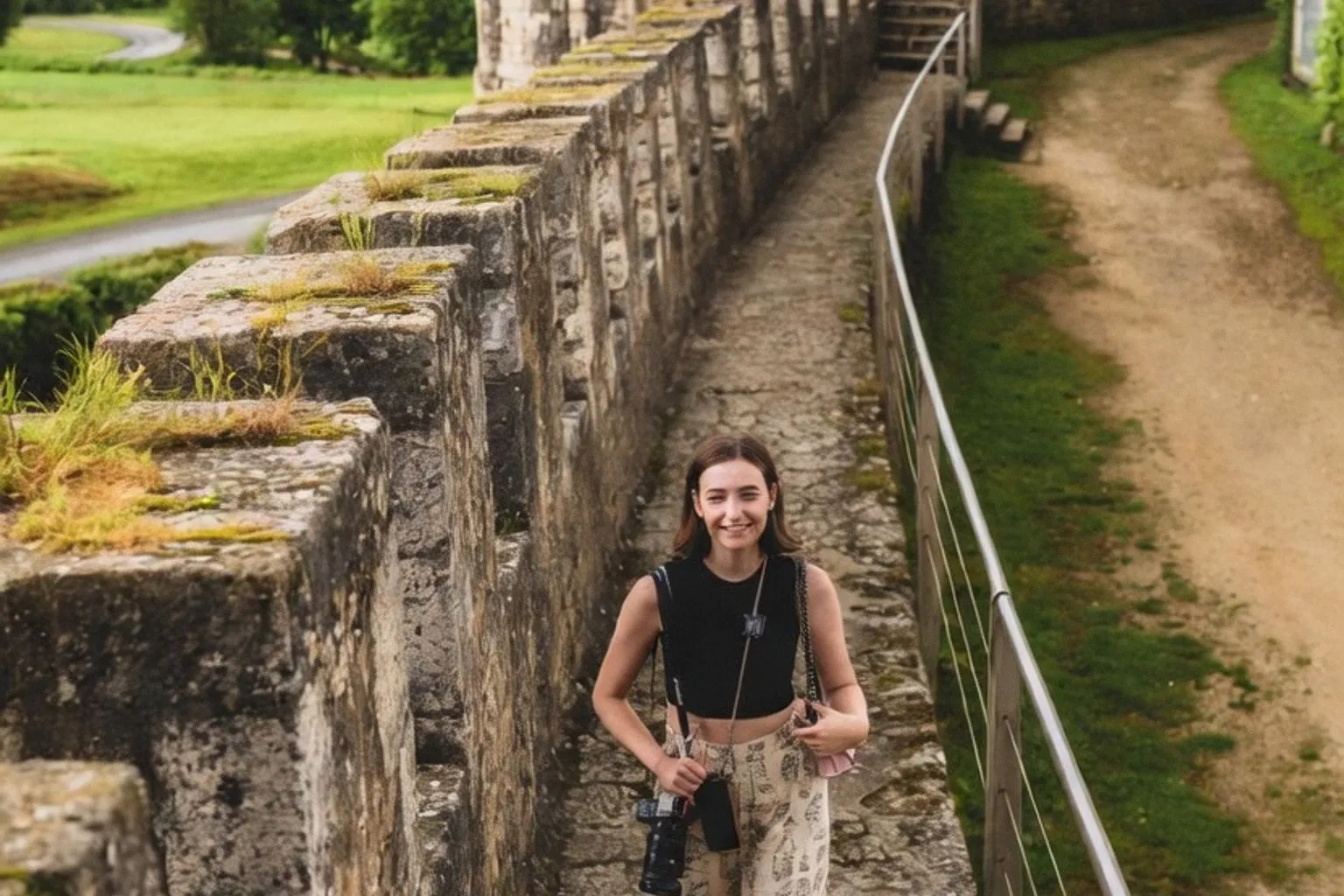
A new roundup from solosophie.com catalogues fifteen-plus European settlements that still register as medieval on foot, with French entries at Carcassonne, Dijon, and Avignon accounting for the heaviest concentration of curtain walls, turrets, and timber-framed frontages on the list. The piece leans on visible heritage rather than verified core fabric, and the source itself flags the gap — the spectacular skyline at Carcassonne owes more to a nineteenth-century romantic restoration than to untouched medieval masonry. For Dordogne-based travellers mapping day-trip options, the survey is a useful benchmark against which local bastides and fortified towns can be measured.
The French entries, audited
Carcassonne leads the list but carries an asterisk. The 52 turrets and roughly 3 km of double-walled fortification are genuine, yet the surface treatment is largely the work of Viollet-le-Duc's restoration programme in the 1800s. The site draws enormous footfall in summer; expect managed pedestrian flow through the Porte Narbonnaise and restricted vehicle access. For a property-style assessment: the fabric reads "medieval" at a glance, but the joinery, roofing finishes, and crenellation details are largely nineteenth-century reconstruction on a medieval footprint.
Dijin presents a different profile. Its medieval street plan — narrow lanes weaving between timber-fraced houses — survived the period largely intact. The Palais des Ducs et des États de Bourgogne and the thirteenth-century Church of Notre-Dame anchor the old town, with the carved La Chouette on the church façade functioning as both heritage marker and tourist waypoint. Crowd density is lower than Carcassonne and spread across more surface area, which improves movement through the historic core.
Avignon sits at the southern end of the Rhône corridor. The fourteenth-century ramparts and the Palais des Papes — seat of seven successive popes between 1309 and 1377 — define the centre. Across the river, Villeneuve-lès-Avignon offers a quieter counterpoint with comparable period architecture and substantially reduced footfall, a practical alternative when the main site's queues peak.
What this means for a Dordogne base
None of the three French entries fall inside the Dordogne valley, but the selection criteria — defensive walls, places of worship, market squares, organic street growth — map directly onto local bastide towns. Sarlat, Domme, Monpazier, and Beynac meet the same structural tests without the mass-tourism infrastructure overhead. The solosophie roundup is best read as a capacity benchmark: it shows what high-throughput medieval sites look like at peak load, which is exactly the metric that determines whether a regional alternative will absorb a day-trip crowd comfortably.
What to check on the ground
When assessing any site marketed as medieval, three measurements matter more than atmosphere: the proportion of authentic core fabric versus restored surface, the live pedestrian throughput at peak hours, and the availability of vehicle set-down within a short walk of the historic core. Carcassonne fails the first test by the source's own admission; Dijon and Avignon pass it more cleanly. For regional trips from a Dordogne gite, the same checklist applied locally typically delivers a less crowded result at lower logistical cost.