Rediscovering the Grand Tour: Why the Dordogne is the Perfect Stop for Slow Travel
Britannica's overview of the Grand Tour traces the idea back to the centuries-old European itinerary that once sent young travelers across the continent for cultural education.
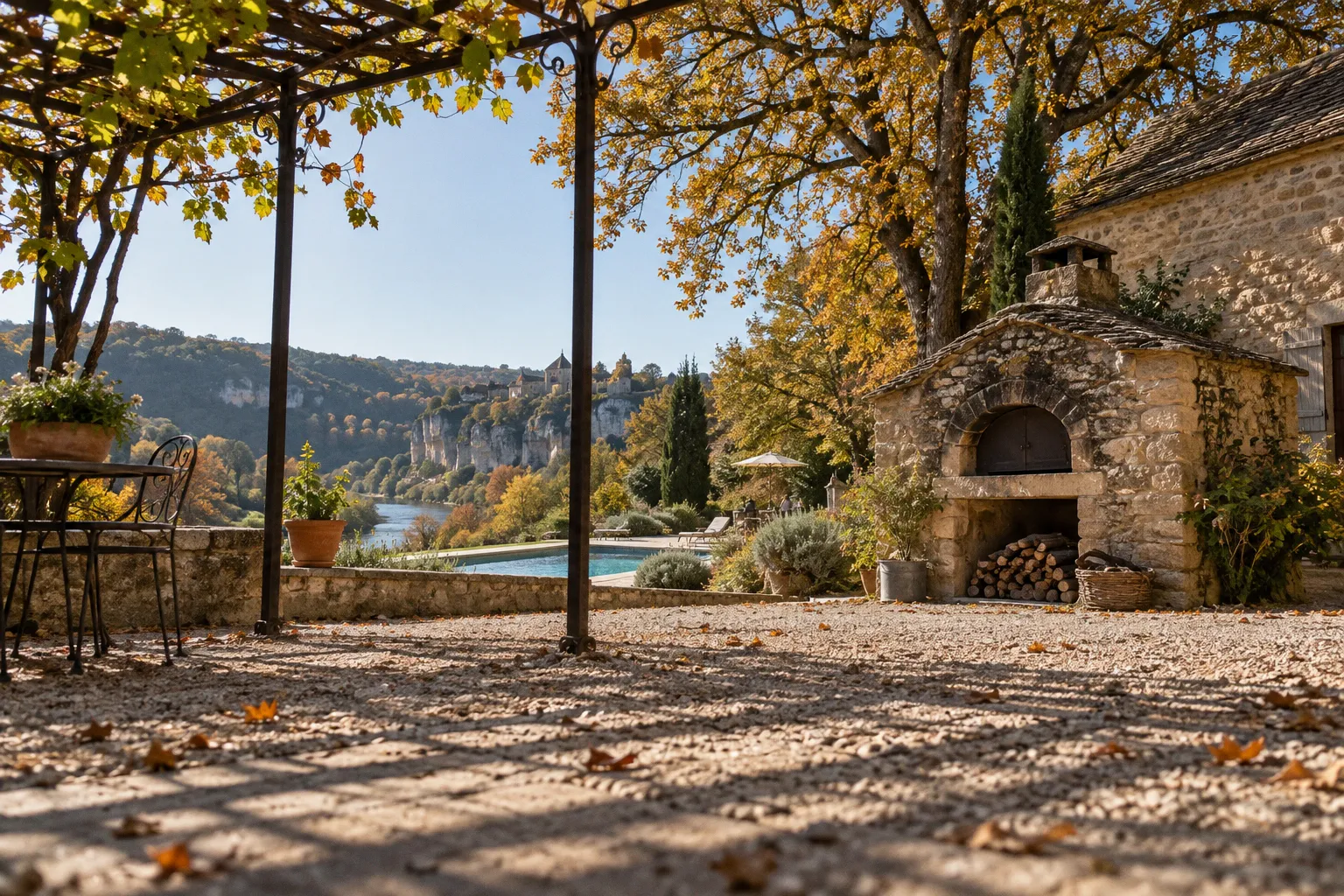
The pattern is quietly resurfacing today, and the Dordogne keeps landing on the map. For anyone planning a slower, multi-stop route through southwest France, the practical questions come quickly — where to base, how long to stay, and which stretch of the valley to prioritize.
Why the valley fits the route
The Dordogne has always had what the old travelers were looking for: cave art older than memory, medieval villages that haven't rearranged themselves for the camera, and a table that still answers to the season. Think in harvest windows rather than calendar dates. September and early October still offer walnuts, late tomatoes, and the first chestnuts; come in May or June and you're trading that for strawberries, asparagus, and longer evenings on the terrace. Either window gives you a pool, a kitchen built for cooking what you bought at the morning market, and enough quiet between villages to actually taste the place.
What the broader European picture is signaling
Renewed interest in cultural European itineraries isn't only a traveler-side trend. Countries well beyond the traditional Grand Tour path are now actively courting European visitors — Jordan's state news agency reports that the upcoming Jordan-EU Investment Conference on Nov. 19 is being positioned by tourism officials as a chance to secure new airline routes, packaged itineraries, and partnerships aimed at European travelers, particularly during winter. The specifics are about Jordan, but the underlying signal is one the Dordogne has benefited from for years: travelers who want a longer, slower route through Europe are a market worth designing for.
What to check before you book
A few practical notes for anyone planning this kind of trip, or for anyone running a gite that wants to attract it:
- Pool season windows vary more than the brochures suggest. Ask the owner directly about heating (if any), shoulder-season covers, and whether the pool is truly private or shared with neighboring properties.
- Kitchen inventory matters more than the photo gallery. A working oven, a proper knife, and a French press will save you more evenings than a second ensuite bathroom.
- Market days are the real itinerary. Most villages have a weekly market worth planning your arrival around; your host will know which one is worth the drive.
- Storage temperature for any local cheese, charcuterie, or walnuts you bring back from market day is worth confirming before you leave the gite — especially in warm weather.
The Grand Tour was never really about ticking countries off a list. It was about spending long enough in one valley to know what the bread tastes like on Tuesday. The Dordogne still rewards that kind of traveler, and the gites that lean into it — the ones with a real kitchen, a real pool, and a host who knows when the figs come in — are the ones worth booking a year ahead.