Defining the True Wine Estate Experience: What Makes a Property Authentic
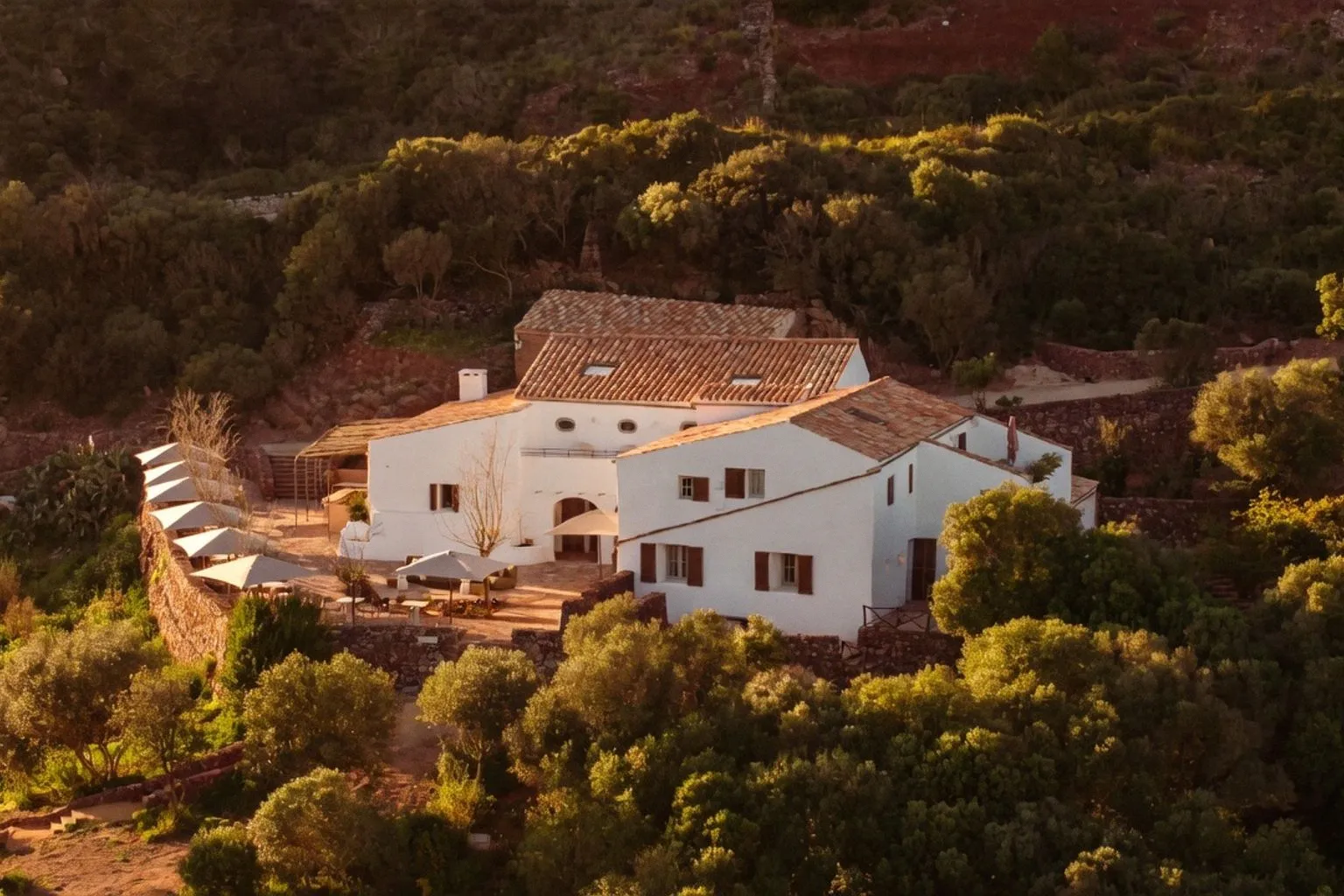
Twelve properties across multiple continents share a single structural claim: a working wine estate with overnight rooms inside the perimeter, not beside it.
What the Wine-Hotel Category Actually Requires
Condé Nast Traveler's September 21 roundup walks through what that configuration looks like in practice — from Franschhoek and the Douro Valley to Mendoza and the Himalayas — and for the Dordogne traveler the list functions more as a specification sheet than a trip wishlist. It defines, by example, the physical and operational threshold a property must clear to earn the label.
The Two Reference Points
The roundup's strongest entries operate as functioning estates, not hotels with a vineyard view. The Vines Resort & Spa in Mendoza's Uco Valley sits inside a 1,500-acre patchwork of private vineyard plots established in 2005; during the late-February-to-April harvest window, guests at WineCamp pick grapes, hand-sort, taste from tank, and stomp barefoot before sitting down to an open-fire asado among the vines.
Les Sources de Caudalie, set within the Château Smith Haut Lafitte holdings in Martillac, demonstrates a different configuration — wellness rather than labor. The property hosts what the source identifies as the world's first Vinothérapie Spa, with treatments built around grape and vine byproducts. Two-Michelin-star dining at La Grand'Vigne and direct winery access complete the package. From the Périgord, Martillac sits roughly 200 km west — close enough to extend a gîte week, distant enough to warrant its own itinerary slot.
The Audit Checklist
Three structural elements recur across the working entries: cellar access within walking distance of guest rooms rather than at the end of a shuttle; calendar-tied programming — harvest participation, blending workshops — rather than standardized daily tastings; and on-site dining under a working sommelier rather than a hotel restaurant sourcing from elsewhere. Properties missing one or more collapse into the hotel-adjacent-to-vineyard category: different cost structure, different physical reality, different value calculation. The Napa Valley entry in Calistoga appears in the same lineage with vineyard-front rooms and grape-to-glass programming, though the available source text truncates before full specifics.
Before booking, verify: confirm via property map whether rooms sit inside vineyard boundaries or beside them; match Northern and Southern Hemisphere harvest windows to your travel month; check that vinotherapy or grape-based treatments appear on the named treatment menu, not only in marketing copy; treat Michelin stars and named sommelier pairings as load-bearing facts, and "wine-friendly" framing as decoration. The auditor's verdict on the category: the gap between an estate and a hotel next to one is the difference between a stay and a marketing brochure.