French Cheese Production Rules Relaxed as Historic Drought Impacts Pastures
Drought conditions across 95% of mainland France in July have pushed the government to temporarily loosen AOP production rules for several traditional cheeses, according to reporting from The Guardian.
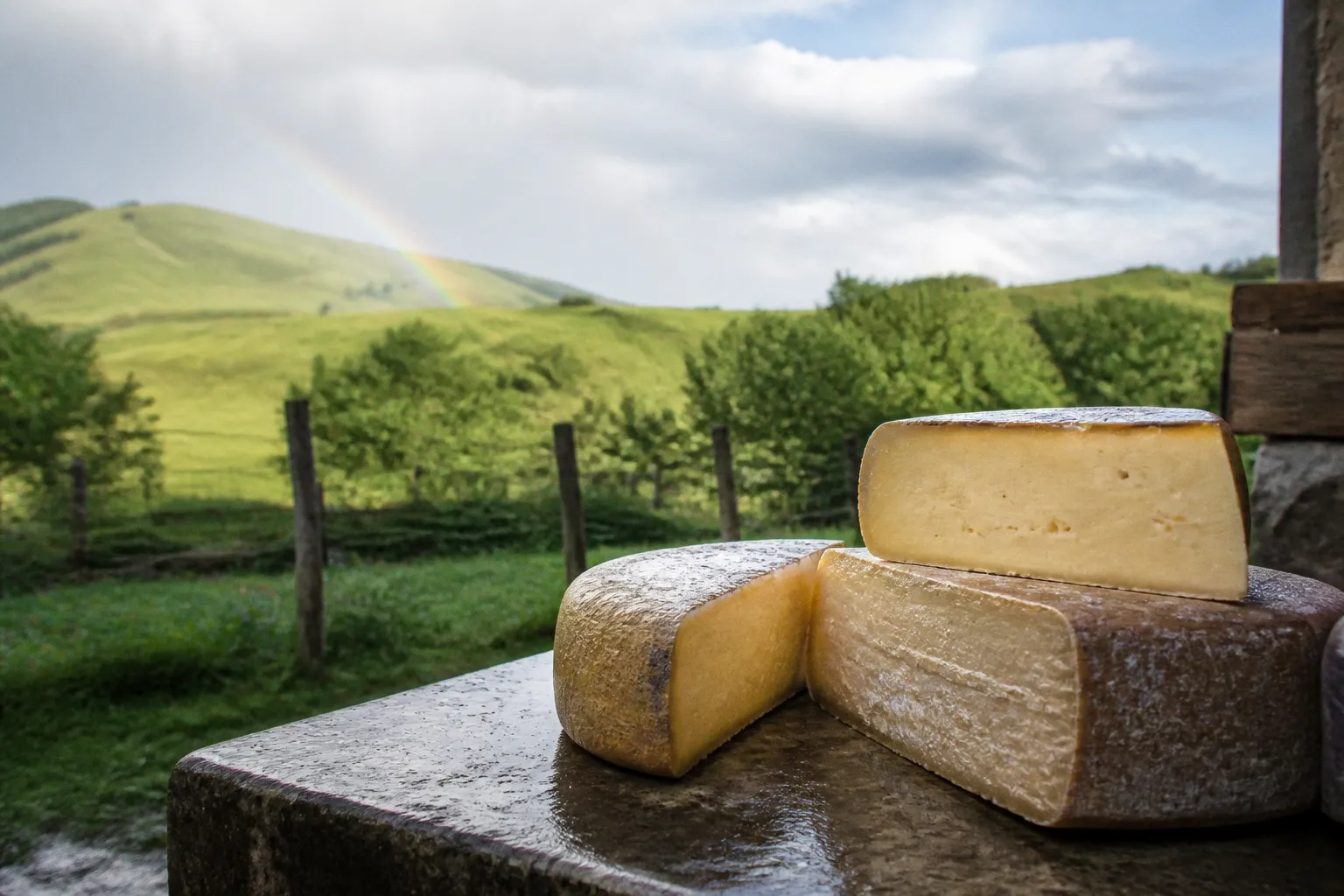
For visitors planning self-catering stays in the Dordogne — where local cheese boards and market visits are a fixed logistical consideration — the change signals tighter supply and shifting availability rather than a full stop.
What the rule change covers
Producers of Comté, Beaufort, and Abondance have been granted temporary permission to supplement grazing diets with imported fodder and grain, after pastures turned dry and yellow. The National Institute of Origin and Quality (INAO) has also indicated temporary relief is being arranged for Reblochon, Cantal, Bleu d'Auvergne, and Fourme d'Ambert. All five AOP labels normally enforce strict geographic and feed sourcing requirements; the drought is officially classed as "historic" by French authorities. Roquefort makers have separately requested the same dispensation for sheep-grazing rules.
The production figures behind the headlines
The French agriculture ministry's statistical service measured permanent grassland growth on 10 August at roughly one-third below the 1989–2018 average. The fodder situation was described as "highly degraded" across nearly all regions. In practice, that means reduced milk yield per animal and lower cheese throughput. Around 70% of Salers AOP producers paused production over the summer, per local reporting from La Montagne. One Normandy neufchâtel farm cited in the coverage dropped from a normal 600–700 cheeses per day to 400–450 due to lower milk output.
What this means for a Dordogne stay
The Dordogne itself sits outside the named AOP zones in the announcement, so local Périgord cheeses — including Cabécou, Rocamadour, and related goat varieties — are not directly affected by these dispensation orders. However, broader market supply will feel pressure. Self-caterers sourcing from village markets and farm shops should expect:
- Smaller selections of Comté and Beaufort in particular, as mountain-pasture cheeses absorb the worst of the pasture loss.
- Possible price movement on aged and limited AOP stocks as producers draw down existing inventory.
- More flexibility from cheesemakers on feed origin, though not on geography of production or raw-milk status.
Travelers should treat cheese availability as a moving variable when planning menus for longer stays. Check with local producers and market vendors on arrival rather than relying on prior assumptions about stock.
What to track going forward
The changes are temporary, but the underlying conditions are not. Watch for INAO announcements on whether dispensation extends beyond the current growing season, and for autumn rainfall data — which will determine whether 2026 production recovers to baseline or carries deficits into next year. For a region built on agricultural identity, the metric worth monitoring is grassland growth against the long-term average, not headline cheese shortages.