Saint-Antoine-l'Abbaye: Analyzing the Commercial Appeal of France’s Top Village
Saint-Antoine-l'Abbaye took the title of France's favorite village in 2025, according to Journée Mondiale, and the label reads less like a tourism trophy and more like a footfall forecast.
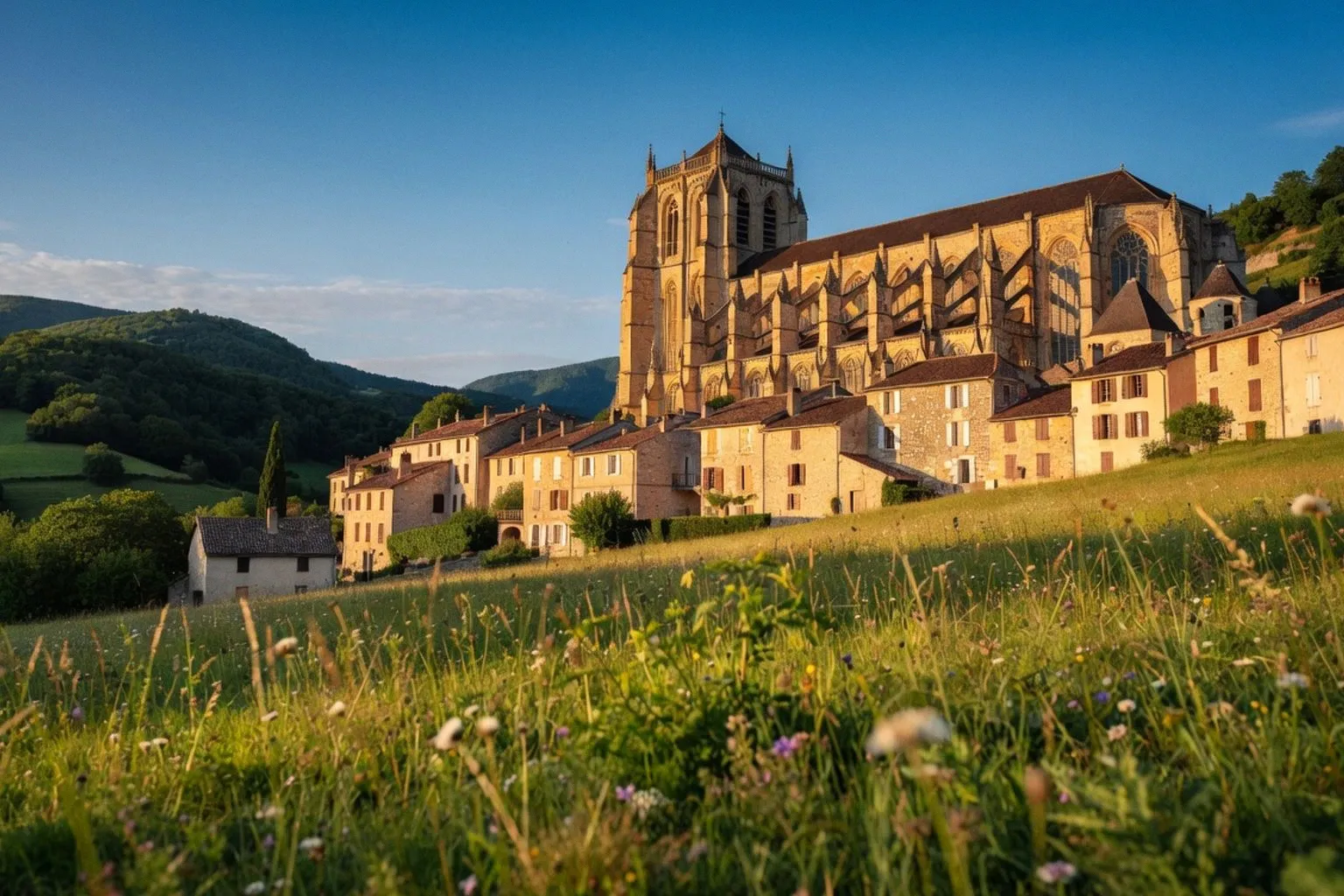
The commune sits in western Isère, in the Chambaran hills, with 1,263 residents recorded in the 2023 census, positioned west of Grenoble and northeast of Romans-sur-Isère. For operators tracking the heritage-village segment of the French gite market, the asset inventory and access structure carry more weight than the headline itself.
The asset inventory
The historic core delivers on three load-bearing assets: the Gothic abbey church, whose construction history runs to the end of the 15th century; the 17th-century Porterie, built to receive important visitors and pilgrims; and the departmental Musée de Saint-Antoine-l'Abbaye, which covers the abbey and the Antonins. The original Hospitalier house was founded on the site in 1095, after the location became tied to a saint's cult and reports of healing linked to ergotism. The walking envelope is paved lanes, timber-framed façades, and the Grande Cour leading into the former monastic buildings. That is the physical stock a pedestrian visitor encounters, measured in stone rather than signage.
The access structure
Access to the medieval village is free all year. The church and museum operate on seasonal hours, and guided visits follow their own calendar. The source flags early morning or late afternoon as the right rhythm — when the buildings read without crowds and the interiors are open. The pricing model is therefore split: free exterior envelope, paid interiors, seasonal variation in opening windows. Catchment is car-based; the Chambaran location west of Grenoble means most arrivals come by vehicle rather than rail, which sets the proximity metric for any overnight capture in the surrounding communes.
What it means downstream
The designation is regional recognition, not a national monument listing, and the tourism impact runs through shoulder-season bookings rather than peak summer. For operators in adjacent heritage markets — including the Périgord — the formula to benchmark is the split between freely walkable envelope and ticketed interior, which determines dwell time, secondary spend, and where local gite stock captures the overnight. Items worth tracking: annual footfall reports from Isère tourism, any change in the free-access policy for 2026, and shifts in guided-visit scheduling that alter dwell time inside the church and museum. The binary verdict on whether the title translates to sustained occupancy gains for nearby lets is not yet established by the available data.