Redefining Luxury: How Eco-Conscious Stays Are Transforming French Countryside Escapes
A new Paris Select Book roundup spotlights five French properties redefining what an upscale countryside escape looks like — and the conversation is exactly the one we have at our Dordogne kitchen…
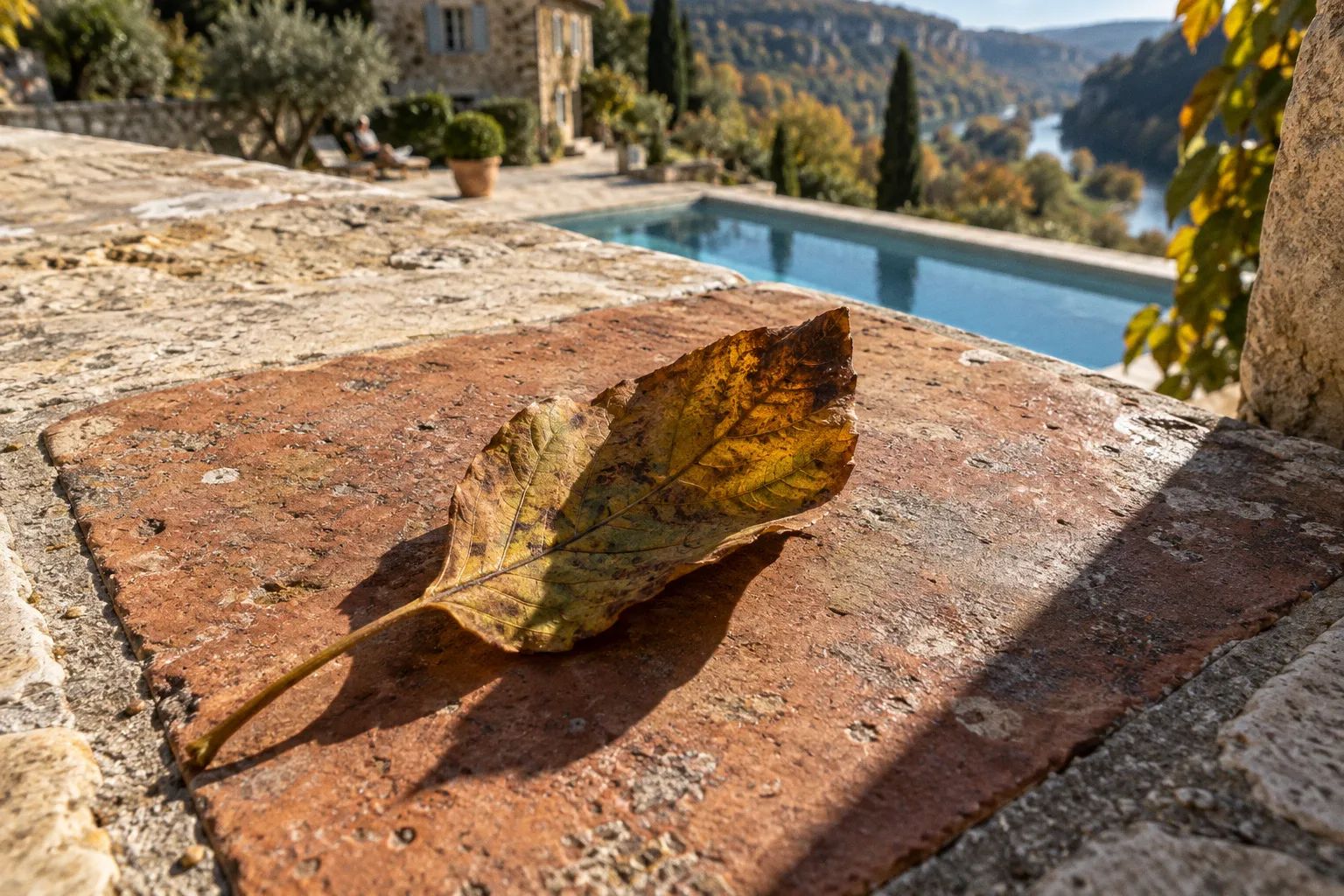
A new Paris Select Book roundup spotlights five French properties redefining what an upscale countryside escape looks like — and the conversation is exactly the one we have at our Dordogne kitchen tables every harvest season. The piece, flagged by Paris Select Book this week, treats eco-responsibility as a luxury feature rather than a budget compromise. For anyone weighing a gite with a pool in the Périgord, the framing matters far more than any headline price tag.
Why "eco-responsible" stretches further than a label
Across the valley, the term covers a wide spectrum in practice. Some hosts have spent years restoring a stone barn with geothermal heating and lime-rendered walls that breathe with the climate. Others run their kitchen from a potager two steps from the back door — eggs from the henhouse, herbs cut that morning, walnuts shaken from the tree above the terrace. Solar pool heating, greywater recycling, and on-site composting all count, but so does the quieter work of restoring old stone rather than importing new cladding from across the region. The best operators talk about it the way a good butcher talks about a cut — with specifics about sourcing, yield, and how the choices hold up across a long season.
What to ask before you book
A separate travel piece from The Telegraph, listing fifty family-friendly hotels across France, surfaced in the same cluster of coverage and is worth a glance for context. Family-friendly and eco-conscious do not automatically overlap, and a swimming pool with a saline filter is not the same commitment as a property-wide environmental plan. When comparing Dordogne gites, a short checklist in the enquiry email will tell you almost everything: whether the property offers electric-vehicle charging, the radius their breakfast ingredients travel, how the pool is heated and filtered, the storage temperature of the wine they recommend, and whether the owner can point to a written sustainability policy. A host who answers in detail has usually lived with the choices, not just marketed them. Vague reassurance is its own warning sign — the same way a market vendor who cannot tell you which farm the chickens came from is rarely the one worth returning to.
The September moment to book smart
September is the soft shoulder of the Dordogne calendar — walnut harvest underway in the bottomlands, markets heavy with figs and late tomatoes, and afternoon pool temperatures still holding well into the evening. It is a good moment to look past the glossy exterior photos and ask the practical questions, because availability narrows quickly once the autumn colour arrives. The properties that will still be standing, and still welcoming guests, in ten years are the ones whose owners treat sustainability the way good farmers treat soil: as a long-term investment, not a seasonal campaign.