Why the French Riviera Is the Perfect Alternative to a Dordogne Gite Break This Autumn
Mid-20°C air, sea above 20°C in October: HELLO! data point for the Riviera shoulder season…
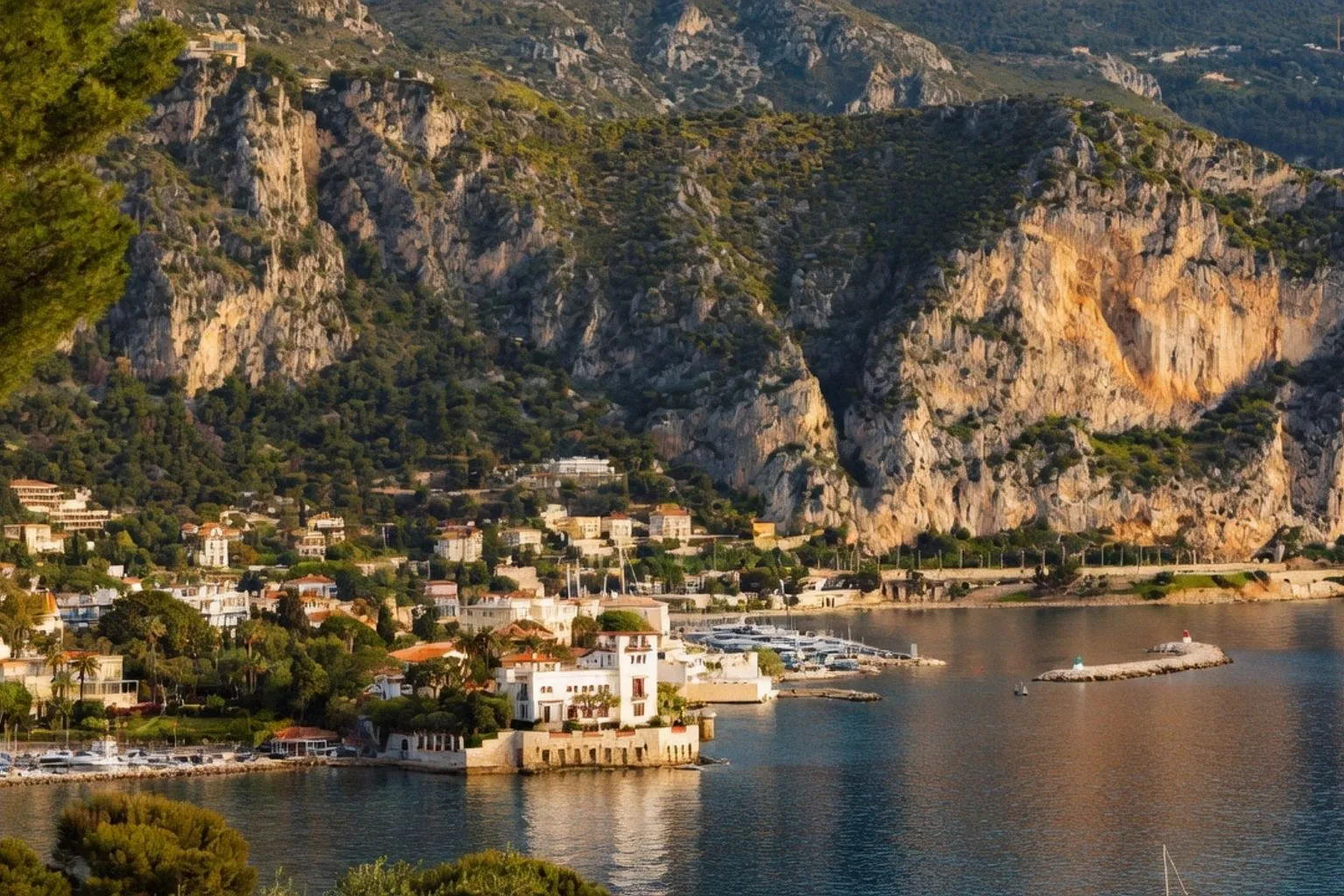
A travel piece published 13 September in HELLO! Magazine puts numbers on what the Côte d'Azur's marketing copy usually leaves to the imagination: October in Nice delivers air temperatures in the mid-20s Celsius, sea temperatures above 20°C, and a marked drop in footfall versus July–August. For travelers weighing a Dordogne gite week against a Riviera break in the same autumn window, the thermal measurements matter more than the adjectives.
Conditions on the ground
The journalist crossed from the UK to Nice in October and recorded mid-20°C air with sea temperatures "well over 20°C" off the limestone rocks at Coco Beach. The Promenade des Anglais — built by wealthy English tourists in the 1820s — was walkable without the summer density. UNESCO designated "Nice, Winter Resort Town of the Riviera" as a World Heritage Site in 2021, but the piece's framing is logistical, not heritage-driven: the point is that the urban infrastructure handles lower occupancy without losing amenity.
The guide for the visit was Gaëtan Onteniente, a Nice Greeter — part of the city's volunteer ambassador programme. He mapped three physical stops that double as practical recommendations: the jungly garden of the Hôtel Windsor (subtropical planting, central location), the Marc Chagall National Museum (designed by Chagall himself after his 1949 relocation to the Riviera), and the ice-cream-toned alleys of the Old Town.
Logistical specifics worth keeping
Three recommendations from the trip, stripped to operational detail:
- Acchiardo — restaurant, reportedly run by the same family for five generations; booking practical for shoulder-season visits.
- Plage de la Réserve / Coco Beach — limestone rock swimming platforms rather than sand; sea entry direct off rock.
- Cours Saleya Market — socca cooked in cast-iron pans on-site; the guide's pairing was chilled rosé.
A day trip to Cap Ferrat and the Villa Ephrussi de Rothschild is logged as feasible by train and bus from Nice — no vehicle required for that segment, which is the kind of detail that changes how a non-driver plans the week.
How this maps to a Dordogne decision
The Riviera's shoulder-season pitch and the Dordogne gite pitch compete for the same demographic: warm-weather travelers unwilling to tolerate July–August density. The HELLO! data point — 20°C-plus sea and air in October — does not translate directly to an inland Dordogne gite. River and unheated pool temperatures there drop faster once October settles in; a typical unheated outdoor pool reads 16–18°C by mid-month.
The trade-off comes down to thermal mass and walking distance:
- Nice delivers sea-swimmable water within a compact urban footprint, with everything walkable or one bus ride away.
- A Dordogne gite delivers acreage, kitchen autonomy, and quiet roads — but only if the property has either a heated pool or a covered indoor backup for evenings. Unheated stone gites in October carry real thermal lag; the BTU output of the main heating system needs to match the volume of the main living space, not just the bedroom count.
Verdict: for warm-water swimming in October, the Riviera wins on the measured data. For acreage, privacy, and self-catering logistics, a Dordogne gite wins — provided the heating schedule is confirmed in writing before booking.