Why the Survival of the Local Bistro Matters for Your Dordogne Holiday
The Guardian cites roughly 500,000 such establishments in 1900, more than half closed by the 1960s, and 30,000 to 40,000 operating today.
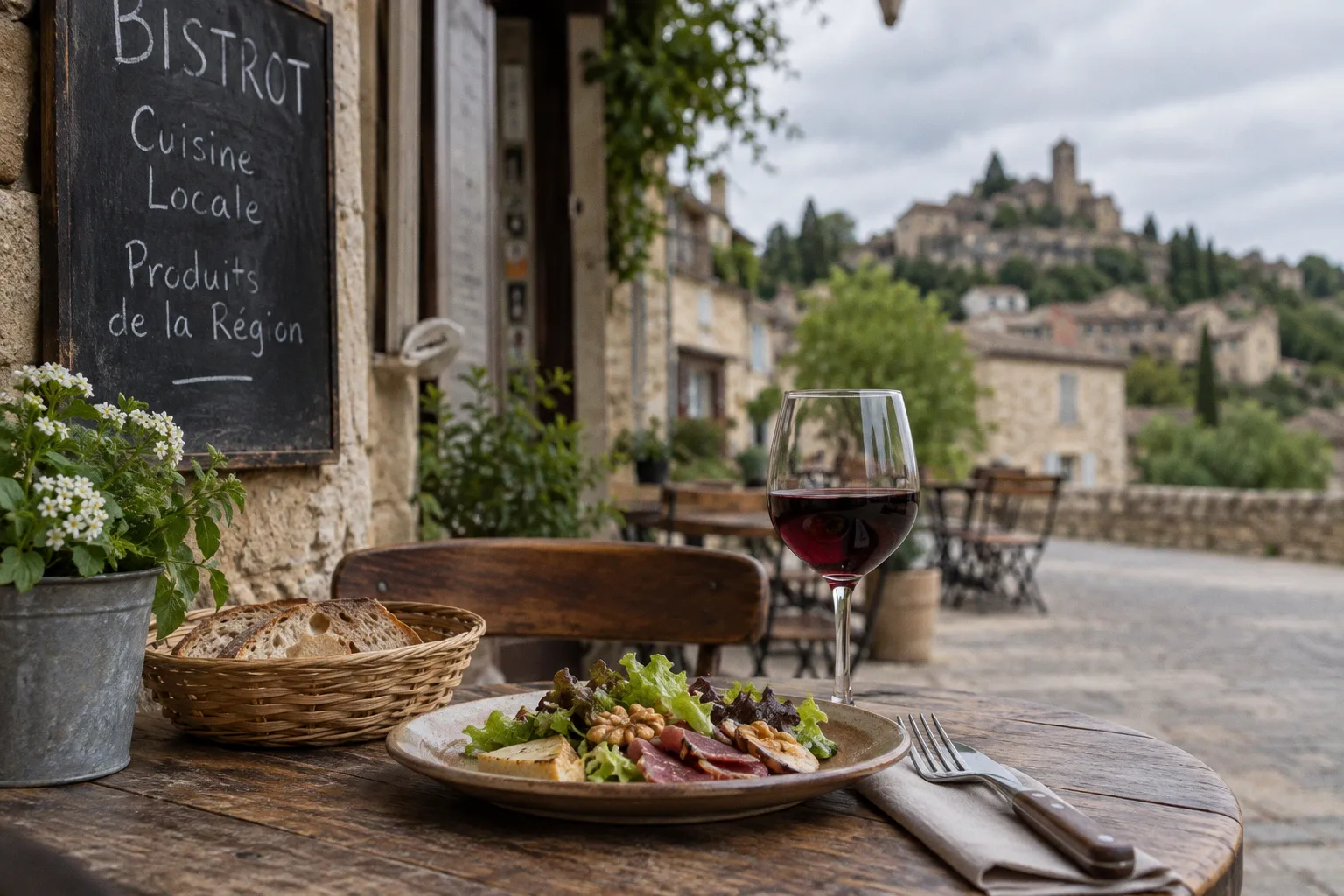
France's village cafe-bistros now stand at an estimated 30,000 to 40,000, closing at roughly two per day, according to a Guardian report on rural decline. For anyone booking a luxury self-catering gite in the Dordogne, that figure is not background colour. It is the single most important amenity metric outside the property boundary.
The arithmetic of decline
The headline number is throughput, not sentiment. The Guardian cites roughly 500,000 such establishments in 1900, more than half closed by the 1960s, and 30,000 to 40,000 operating today. Two closures per day is the running attrition rate reported by Alain Fontaine, president of France's Association of Bistros and Cafes and operator of Le Mesturet near the Paris stock exchange. Two structural load-bearing factors carry the weight. Rural population has thinned over the last half-century, and average alcohol consumption has fallen from around 200 litres per person per year in the 1960s to roughly 80 litres today. Footfall into the local salle has collapsed on both vectors simultaneously, and no marketing rebrand has reversed the trend.
The case study cited is Au Bon Accueil in Saint-Martin-sur-Ouanne, a northern Burgundy village that lost its boulangerie eight years ago and saw its café-bistro close for eight months before reopening under a new manager. The village mayor has framed the reopening as the restoration of village life to its proper rhythm. The three-course lunch menu there is €18. The point is not the cuisine. The point is what the venue's existence or absence tells you about the load on every other small business within walking distance.
What it changes for a self-catering stay
For a Dordogne gite, the bistro is the closest operational substitute for a concierge. It is the walkable dinner option when no one wants to drive after a market run, the morning coffee point that tests whether the commune is actually inhabited during your rental week, and the only public-facing room within stroller or bicycle distance of the property. When that room is shuttered, the gite loses a proximity metric the brochure never prints.
A gite five kilometres from a working bistro and a gite fifty metres from one are not the same product. The latter still has social fabric and BTU-generating footfall attached to its address. The former is a well-appointed thermal box in an emptied hamlet whose nearest restaurant requires a designated driver. The thermal mass of the building may be excellent, but the village's thermal mass — the daily aggregation of bodies, conversation, and commerce — is what the guest actually pays for when booking rural.
What to verify before you book
Three checks beat the marketing copy. First, pull up the local commune website or the département tourism office listing; a current opening roster for the village café-restaurant is a better occupancy proxy than any star rating on a booking platform. Second, run the final three kilometres of the access road in Street View at pavement level and count parked cars outside the bistro at lunchtime on a weekday. That count is the live footfall test. Third, ask the owner, in writing, which bistro is open during your rental dates, which days it serves, and whether the menu holds at the same price as advertised in low season. If the answer is vague, the bistro may already be on the two-a-day list.