Navigating Dordogne Holidays: Assessing Travel Safety After Regional Wildfires
OuiStars Travel reports that Nouvelle-Aquitaine has launched a €200,000 campaign aimed at visitors from Germany, the Netherlands, Belgium and Spain after recent wildfires.
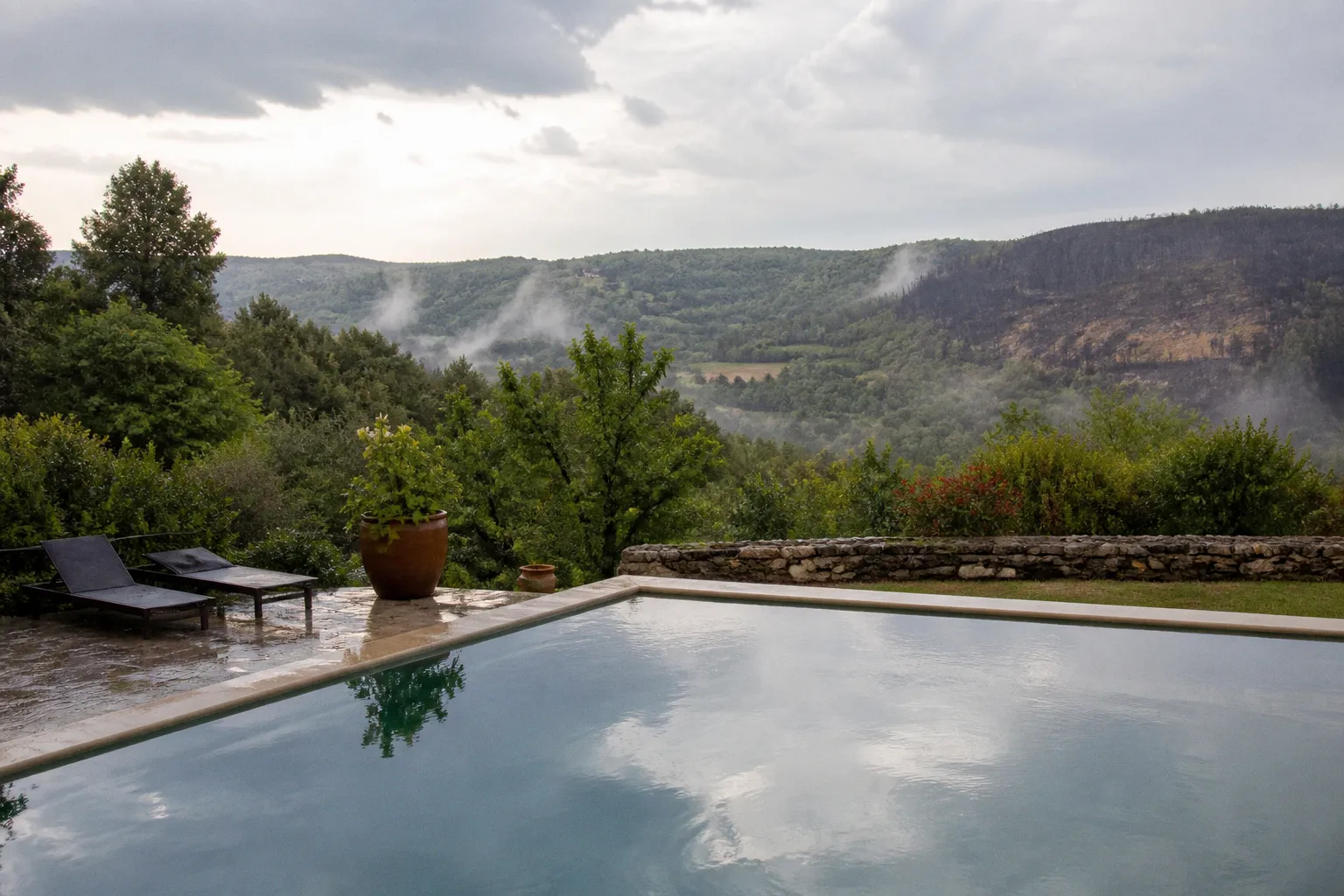
The regional tourism response is now a confidence exercise, not a branding exercise. OuiStars Travel reports that Nouvelle-Aquitaine has launched a €200,000 campaign aimed at visitors from Germany, the Netherlands, Belgium and Spain after recent wildfires. For Dordogne travellers, the practical issue is whether a booked stay remains accessible, not whether the regional brochure still looks attractive.
The first check is geographic, not promotional
The reported fires affected parts of Gironde. That is not the same as a blanket warning for the whole of Nouvelle-Aquitaine, nor does the evidence establish that Dordogne gîtes are directly affected. Conditions can change locally, however, and the available reporting advises visitors to check prefecture notices, respect closures and keep travel plans flexible.
This is the relevant distinction for a self-catering holiday. A property may be open while a road, attraction or nearby area is not operating normally. Pool access, kitchen facilities and private grounds do not compensate for a failed transfer route or a closure at the destination you intended to visit.
Before travelling, confirm the status of the immediate commune and planned routes through official prefecture information. Do not rely solely on a booking platform description or a campaign page designed to restore visitor confidence.
Why timing matters to the region
OuiStars Travel reports that tourism businesses often earn 70–80% of their annual revenue in July and August. That concentration explains the urgency of the campaign. A disrupted peak season has a disproportionate effect on accommodation providers, restaurants and visitor businesses.
The wider regional picture is also unsettled. AOL.ca describes the wildfires as a wake-up call for Bordeaux’s wine industry, while another report identifies France and Spain as leading a 2026 European shift towards experience-led tourism focused on culture and cuisine. These headlines indicate pressure on established tourism models, but they do not prove that visitor numbers, wine production or individual businesses in Dordogne have changed.
For travellers, the conclusion is narrower and more useful: assess the actual operating conditions around the property you are considering. A luxury gîte with a pool remains a viable base if access, local services and planned activities are functioning. Regional reassurance is not a substitute for those checks.
Build the journey with less slack
The reporting specifically recommends flexible plans and notes that advance transfers between Bordeaux and the coast may reduce disruption. That advice is more relevant to travellers using Bordeaux as a connection point than to every Dordogne itinerary, but the principle is sound: avoid constructing a holiday around a single route, attraction or tightly timed transfer.
Ask the owner or manager three direct questions before arrival:
- Is the property currently accessible by the planned route?
- Are there any local closures affecting the stay or nearby activities?
- Which official notice should be checked immediately before departure?
The evidence does not establish a general tourism shutdown in Dordogne. It does establish a regional campaign following wildfires, localised and changing conditions, and a need for visitors to verify operational details rather than infer them from national messaging.
Verdict: bookable with verification, not bookable on promotional reassurance alone.